Beta-Glucan for Immune Support: How It Primes Your Immune System Naturally
Discover how beta-glucan strengthens innate immunity by activating macrophages and NK cells. Learn how immune priming works and why it matters for daily immune support.
SUPPLEMENTS
4/26/20267 min read


Beta-Glucan and Immune Priming: How It Actually Works
Your immune system is not designed to be constantly overstimulated—it is designed to be prepared, balanced, and highly responsive. In today’s landscape of immune health supplements, the conversation is shifting from “boosting” immunity to training and optimizing it.
This is where beta-glucan for immune support stands out. Unlike conventional approaches, beta-glucan works through a scientifically grounded mechanism called immune priming, enhancing your body’s ability to respond efficiently without triggering unnecessary inflammation.
If you’re searching for how to boost your immune system naturally, understanding how beta-glucan interacts with innate immunity is essential.
What Is Beta-Glucan? (And Why It Matters for Immune Support)
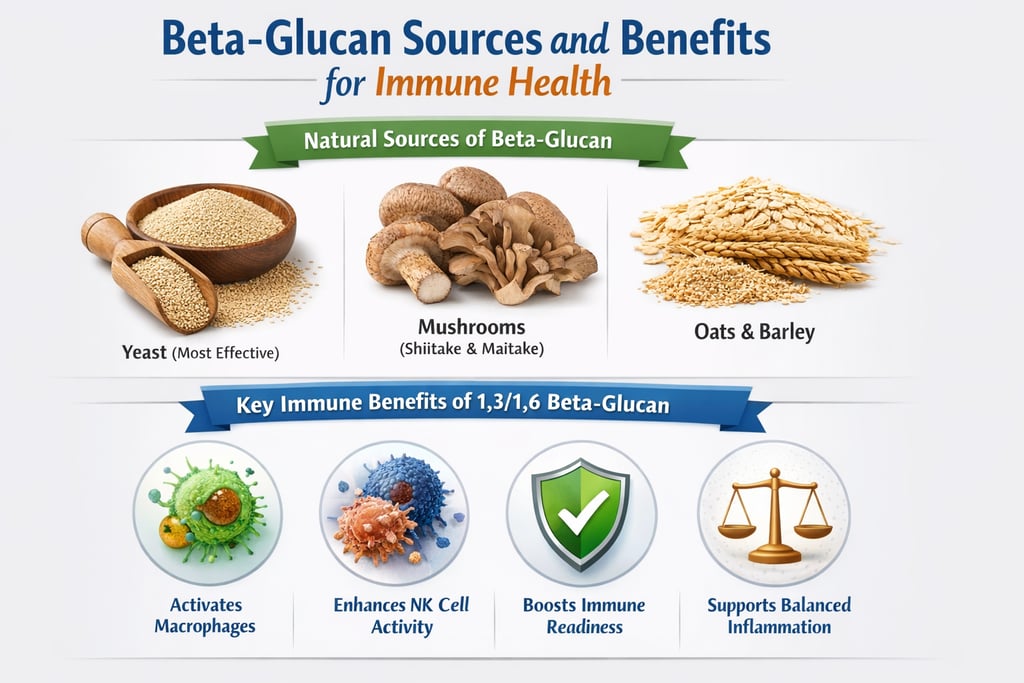
Beta-glucan is a naturally occurring polysaccharide known for its powerful role in immune system modulation and natural immune defense. It is found in several natural sources, including yeast, mushrooms, oats, and barley, but its biological activity varies significantly depending on its structure and origin. The most clinically studied form is yeast-derived 1,3/1,6 beta-glucan, which has demonstrated the strongest interaction with immune cells. This specific structure allows it to bind to immune receptors and activate critical pathways involved in innate immunity enhancement. As a result, beta-glucan is widely recognized as one of the most effective natural immune system boosters without overstimulation.
Natural Sources of Beta-Glucan
Yeast (most potent for immune activation)
Mushrooms (shiitake, maitake, reishi)
Oats and barley (primarily metabolic benefits)
Why Source and Structure Matter
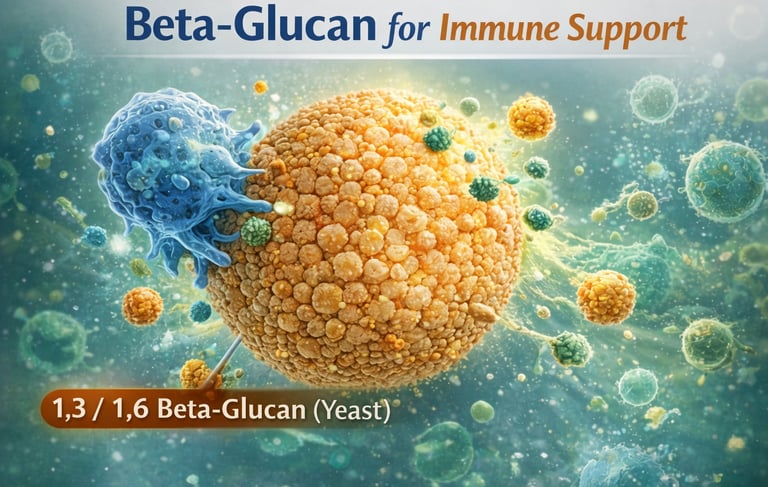
Not all beta-glucans deliver the same immune benefits, and their effectiveness depends on their molecular structure and branching patterns. Yeast-derived beta-glucan contains 1,3/1,6 linkages, which are specifically recognized by immune receptors such as Dectin-1. This allows for direct activation of macrophages and natural killer (NK) cells, key components of innate immunity. In contrast, cereal-derived beta-glucans mainly support cholesterol and metabolic health, with limited immune activation. Choosing the right form is essential when selecting a beta glucan supplement for immune system support. This distinction ensures you receive clinically relevant benefits aligned with immune priming and immune resilience.
Immune Priming vs Immune Boosting: A Critical Difference
Many supplements marketed as immune system boosters focus on stimulation rather than regulation, which can lead to unintended physiological consequences. Immune boosting often results in excess inflammation and immune overactivation, particularly when used chronically. This may disrupt immune balance and contribute to long-term dysregulation. In contrast, immune priming enhances the readiness of immune cells, allowing them to respond more efficiently without excessive activation. This approach aligns with modern immunology, emphasizing balanced immune function and adaptive responsiveness.
Risks of Immune Overstimulation
Chronic inflammation and oxidative stress
Cytokine imbalance and immune dysregulation
Reduced immune adaptability over time
Potential immune fatigue
Benefits of Immune Priming
Enhances immune readiness naturally
Improves response speed and precision
Maintains balanced inflammatory signaling
Supports long-term immune resilience
Functional Analogy for Clarity
Immune priming can be compared to training a highly efficient security system, rather than constantly triggering alarms. Instead of reacting excessively, the system becomes smarter, faster, and more precise. This is central to understanding how beta glucan works in the immune system. It supports preparedness rather than overstimulation, making it ideal for daily immune support strategies. This concept directly aligns with consumer searches for “natural immune support without side effects.”
How Beta-Glucan Activates Innate Immunity
The immune system consists of two interconnected components: innate immunity and adaptive immunity. Beta-glucan primarily targets innate immunity, which acts as the body’s first line of defense against pathogens. It binds to receptors such as Dectin-1 and Complement Receptor 3 (CR3) on immune cells, triggering a cascade of immune responses. This interaction enhances pathogen recognition, immune signaling, and cellular coordination. As a result, beta-glucan plays a critical role in strengthening innate immunity naturally and effectively.
Innate Immunity (First Line of Defense)
Innate immunity provides a rapid, non-specific response to pathogens, making it essential for early protection. Cells such as macrophages, neutrophils, and NK cells are key players in this system. Beta-glucan enhances their activity, improving phagocytosis and immune signaling pathways. This leads to faster identification and elimination of harmful invaders. Strengthening innate immunity is one of the most effective strategies for natural immune defense and prevention.
Adaptive Immunity (Long-Term Protection)
Adaptive immunity involves specialized cells such as T-cells and B-cells, which provide targeted and memory-based responses. While beta-glucan primarily activates innate immunity, it also supports adaptive immunity indirectly. Improved signaling from innate immune cells enhances communication with adaptive pathways. This leads to better coordination and more efficient immune responses over time. Ultimately, this contributes to long-term immune resilience and protection.
Natural Killer (NK) Cells: Your Internal Surveillance System
Natural Killer (NK) cells are essential components of the innate immune system responsible for identifying and eliminating abnormal cells. They play a critical role in detecting virus-infected cells and early-stage cancer cells. Beta-glucan enhances NK cell activity, improving their ability to respond rapidly and effectively. This makes it a valuable compound for immune resilience and cellular defense optimization. Strong NK cell function is associated with a more robust and vigilant immune system.
Functions of NK Cells
Detect virus-infected cells
Identify abnormal or pre-cancerous cells
Initiate early immune responses
Maintain immune system balance
Beta-Glucan’s Role in NK Cell Activation
Beta-glucan enhances NK cell cytotoxic activity, enabling these cells to destroy harmful targets more efficiently. It improves immune signaling pathways, ensuring rapid detection of threats. This leads to enhanced immune surveillance and early response capability. Additionally, beta-glucan supports communication between NK cells and macrophages. These combined effects make it a key ingredient in advanced immune support supplements.
The Science of Immune Readiness (Why Timing Matters)
Beta-glucan functions through a process known as trained immunity, where immune cells become more efficient with repeated exposure. Unlike fast-acting stimulants, it requires consistent daily use to deliver optimal results. Over time, immune cells adapt and improve their responsiveness to pathogens. This leads to enhanced immune efficiency without excessive inflammation. The concept of trained immunity is a rapidly growing area in modern immunological research and preventive health.
Key Benefits of Consistent Use
Faster immune recognition of pathogens
Improved pathogen clearance
Reduced severity of immune challenges
Enhanced immune coordination
Why Consistency Is Critical
Immune priming is not an instant process but a long-term strategy for immune optimization. Regular intake allows immune cells to develop improved functionality and responsiveness. This reduces the likelihood of severe immune reactions during infections. It also supports a proactive approach to maintaining immune health. Consistency is essential for achieving sustained immune system benefits.
Barrier Defense: The Overlooked Immune Layer
A significant portion of the immune system resides in the body’s barrier tissues, including the gut, respiratory tract, and skin. These barriers act as the first line of defense against external pathogens. Beta-glucan indirectly supports these systems by enhancing gut-associated lymphoid tissue (GALT) and mucosal immunity. This improves the body’s ability to prevent pathogen entry at critical points. Strong barrier defenses are essential for comprehensive immune system protection.
Key Barrier Systems
Gut lining (primary immune interface)
Respiratory tract mucosa
Skin barrier
How Beta-Glucan Supports Barrier Immunity
Beta-glucan promotes a healthy gut microbiome, which plays a central role in immune regulation. It enhances mucosal immune responses, improving protection at entry points. This reduces the likelihood of infections taking hold in the body. Additionally, it strengthens communication between gut immunity and systemic immunity. These effects contribute to a more integrated and resilient immune defense system.
H2: Frequently Asked Questions (FAQ)
1. What does beta-glucan do for the immune system?
Beta-glucan supports immune system function by activating key innate immune cells such as macrophages and natural killer (NK) cells. It enhances immune readiness, allowing the body to respond faster and more efficiently to pathogens. This makes beta-glucan one of the most effective compounds for natural immune support and innate immunity enhancement.
2. Is beta-glucan a natural immune booster?
Beta-glucan is better described as an immune priming agent rather than a traditional immune booster. It works by training the immune system to respond more efficiently without causing overstimulation or excessive inflammation. This makes it a preferred option for those searching for how to boost the immune system naturally without side effects.
3. How long does beta-glucan take to work?
Beta-glucan works through a process called trained immunity, which develops gradually over time. Most individuals notice benefits after consistent use for several weeks, as immune cells become more responsive. This aligns with long-term strategies for sustainable immune system support and resilience.
4. Can beta-glucan prevent illness?
Beta-glucan does not directly prevent illness but enhances the body’s ability to respond effectively to infections. It may help reduce the severity and duration of immune challenges by improving immune efficiency. This makes it valuable for those seeking preventive immune health and daily immune defense support.
5. What is innate immunity?
Innate immunity is the body’s first line of defense against pathogens, providing a rapid and non-specific response. It includes immune cells such as macrophages, neutrophils, and NK cells that act immediately upon exposure to threats. Supporting innate immunity is essential for natural immune protection and early pathogen defense.
6. Are all beta-glucans the same?
Not all beta-glucans have the same structure or immune benefits, and their effectiveness depends on their source and molecular configuration. Yeast-derived 1,3/1,6 beta-glucan is the most studied and effective form for immune support. Choosing the right type is critical for achieving clinically relevant immune system benefits.
7. Is beta-glucan safe for daily use?
Beta-glucan is generally considered safe for daily use when taken within recommended dosages. It is well-tolerated and commonly used as part of a long-term immune support regimen. This makes it suitable for individuals looking for consistent, natural immune system support.
8. Does beta-glucan help with inflammation?
Beta-glucan helps regulate the immune response, supporting balanced inflammation rather than suppressing it entirely. This is important for maintaining immune function without triggering excessive inflammatory reactions. It is particularly beneficial for those seeking immune balance and anti-inflammatory support naturally.
9. Can beta-glucan support antiviral defense?
Beta-glucan enhances antiviral defense by activating macrophages and NK cells, which play a critical role in identifying infected cells. This improves the body’s ability to respond quickly to viral threats. It is often included in formulations targeting immune resilience and viral defense support.
10. Who should take beta-glucan supplements?
Beta-glucan supplements are ideal for individuals seeking daily immune support, especially during periods of stress or seasonal challenges. They are also beneficial for those with weakened immune responses or frequent infections. This makes beta-glucan a strong option for natural immune system support across diverse populations.