How to Strengthen Your Immune System Naturally (2026 Guide) | Science-Based Immune Support

Discover how to boost your immune system naturally with science-backed strategies, nutrients, and daily habits. Learn what actually works for immune health in 2026.

4/27/20267 min read

How to Strengthen Your Immune System Naturally: A Science-Based Guide (2026)

The immune system is no longer viewed as a simple defense mechanism—it is a complex, adaptive network that determines how effectively your body responds to infections, inflammation, and even long-term health risks.

In 2026, the conversation has shifted from “boosting immunity” to regulating, strengthening, and optimizing immune function. The distinction is critical. An overactive immune system can be just as problematic as a weakened one.

This guide provides a science-based, clinically grounded roadmap to help you strengthen your immune system naturally—through nutrition, lifestyle, and evidence-backed supplementation strategies.

What Does It Really Mean to “Strengthen” Your Immune System?

  • Strengthening immunity focuses on improving efficiency, not overstimulation

  • It involves enhancing immune readiness to respond to threats effectively

  • Balanced inflammatory responses help prevent excessive immune reactions

  • Strong cellular communication ensures proper immune signaling and coordination

  • Healthy barrier defenses like gut, skin, and mucosa provide first-line protection

Innate Immunity – First Line of Defense

  • Innate immunity acts as the body’s immediate response system

  • It includes macrophages, neutrophils, and natural killer (NK) cells

  • These cells identify and respond quickly to pathogens

  • The response is non-specific but essential for early protection

  • It forms the foundation of overall immune defense

Adaptive Immunity – Targeted Response

  • Adaptive immunity provides a specialized and targeted response

  • It involves T-cells and B-cells that recognize specific pathogens

  • These cells create memory for faster future responses

  • It supports long-term immunity and protection

  • It works in coordination with innate immunity for full defense

What Defines a Strong Immune System

  • A strong immune system is efficient and well-regulated

  • It responds quickly without causing excessive inflammation

  • It maintains balance between defense and tolerance

  • It adapts to new and recurring threats effectively

  • It relies on consistent support from lifestyle and nutrition

Key Signs Your Immune System May Be Weak

Recognizing early warning signs is essential for intervention:

  • Frequent infections (colds, flu)

  • Persistent fatigue or low energy

  • Slow wound healing

  • Digestive issues (bloating, irregularity)

  • Increased inflammation or allergies

These indicators often point to underlying immune dysregulation rather than simple deficiency.

The Gut–Immune Connection: Where Immunity Truly Begins

Approximately 70% of the immune system resides in the gut-associated lymphoid tissue (GALT). This makes gut health foundational to immune resilience.

Why the Microbiome Matters

  • Regulates immune signaling pathways

  • Prevents pathogen colonization

  • Produces short-chain fatty acids (SCFAs) like butyrate

How to Support Gut-Driven Immunity

  • Increase fiber intake (vegetables, whole grains)

  • Include fermented foods (yogurt, kefir, kimchi)

  • Reduce processed sugars and ultra-processed foods

A compromised gut often leads to chronic low-grade inflammation, weakening immune responsiveness over time.

Essential Nutrients for Immune System Support

Nutrition remains the most powerful modifiable factor in immune health.

Vitamin C

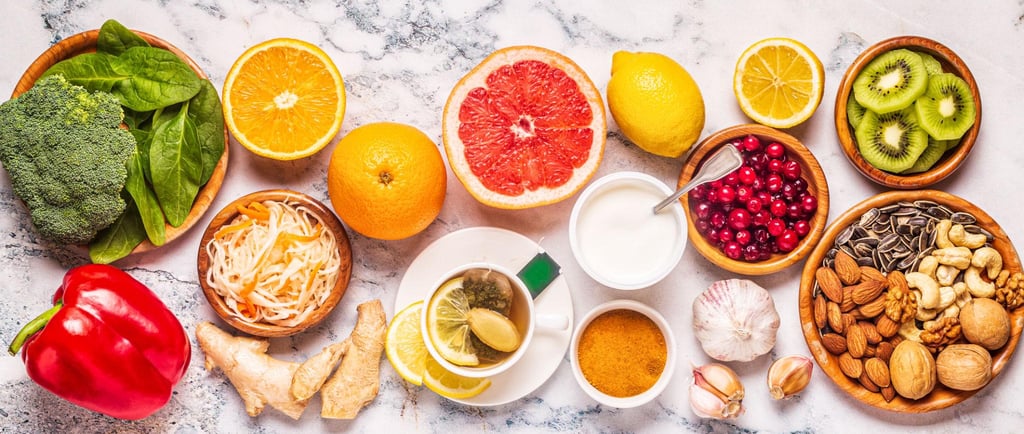
Vitamin C supports white blood cell production and function. It acts as a powerful antioxidant that helps reduce oxidative stress. It plays a role in protecting cells from immune-related damage. It supports skin barrier defense as part of the immune system. It is commonly found in citrus fruits, bell peppers, and berries.

Vitamin D

Vitamin D helps regulate both innate and adaptive immune responses. It plays a key role in reducing inflammation in the body. Deficiency is associated with increased susceptibility to infections. It supports immune cell activation and signaling. It is primarily synthesized through sunlight exposure on the skin.

Zinc

Zinc is essential for immune cell development and communication. It supports the body’s antiviral defense mechanisms. It plays a role in reducing the duration of common infections. It helps maintain skin and mucosal barrier integrity. It is found in seeds, nuts, and legumes.

Quercetin

Quercetin is a plant-based flavonoid with strong anti-inflammatory properties. It helps regulate immune response and cellular signaling. It exhibits antioxidant activity that supports immune defense. It may help reduce inflammation during immune stress. It is naturally present in foods like onions, apples, and berries.

Beta-Glucan

Beta-glucan is a natural compound derived from yeast, oats, and certain fungi. It activates innate immune cells such as macrophages and natural killer cells. It enhances the body’s ability to recognize and respond to pathogens. It supports immune readiness without overstimulation. It is widely studied for its role in daily immune support.

Daily Habits That Strengthen Immunity Naturally

Lifestyle factors often outperform supplements when implemented consistently.

Sleep Optimization

  • Aim for 7–9 hours of quality sleep each night

  • Deep sleep supports immune repair and recovery processes

  • Consistent sleep schedules strengthen circadian rhythm balance

  • Poor sleep can weaken immune response and increase inflammation

  • A dark, quiet environment improves sleep quality and duration

Regular Physical Activity

  • Moderate exercise enhances immune circulation and function

  • Supports better oxygen and nutrient delivery to immune cells

  • Helps reduce inflammation and improve overall resilience

  • Regular movement strengthens long-term immune health

  • Avoid overtraining, as it can suppress immune response

Stress Regulation

  • Chronic stress increases cortisol levels in the body

  • Elevated cortisol suppresses immune function over time

  • Stress can disrupt sleep and recovery cycles

  • Mindfulness practices help regulate stress responses

  • Consistent stress management supports immune balance

Hydration

  • Adequate hydration supports lymphatic system function

  • Helps transport nutrients to immune cells efficiently

  • Supports detoxification and waste removal processes

  • Prevents fatigue and maintains cellular performance

  • Daily water intake is essential for overall immune health

Immune Supplements That Actually Work (Science-Based)

The supplement market is saturated, but only a few ingredients demonstrate consistent clinical relevance.

Beta-Glucan (Yeast-Derived)

  • Activates innate immune cells such as macrophages and natural killer (NK) cells

  • Enhances immune readiness without overstimulation

  • Supports faster recognition and response to pathogens

  • Helps regulate immune signaling pathways

  • Backed by clinical research for daily immune support

Elderberry Extract

  • Rich in anthocyanins with strong antioxidant properties

  • Supports the body’s natural viral defense mechanisms

  • Helps reduce oxidative stress during immune challenges

  • Traditionally used for seasonal immune support

  • Contributes to overall immune resilience

Quercetin + Bromelain

  • Quercetin acts as a powerful anti-inflammatory flavonoid

  • Bromelain enhances quercetin absorption and bioavailability

  • Supports balanced immune response and cytokine regulation

  • Helps reduce inflammation linked to immune stress

  • Provides synergistic support for respiratory and immune health

Zinc + Copper Balance

  • Zinc supports immune cell development and function

  • Plays a key role in antiviral defense mechanisms

  • Copper prevents zinc-induced mineral imbalance

  • Supports long-term supplementation safety and efficacy

  • Essential for maintaining immune system stability

Clinically Aligned Daily Intake

  • Consistency is more effective than high-dose, short-term use

  • Supports sustained immune function over time

  • Reduces risk of nutrient imbalance or overload

  • Aligns with evidence-based dosing strategies

  • Builds long-term immune resilience rather than quick fixes

  • The goal is not megadosing, but consistent, clinically aligned intake.

Common Myths About Immunity (Debunked)

Myth 1: “More Supplements = Better Immunity”

  • Excess intake of certain nutrients can disrupt the body’s natural balance

  • High doses of single vitamins may reduce absorption of others (nutrient competition)

  • Over-supplementation can place unnecessary stress on metabolic pathways

  • The immune system requires balance, not overstimulation

  • Evidence supports targeted, clinically dosed supplementation, not megadosing

Myth 2: “You Can Boost Immunity Overnight”

  • Immune strength develops through consistent daily habits over time

  • Short-term interventions rarely produce meaningful immune changes

  • Cellular immunity relies on long-term nutrient and lifestyle support

  • Sleep, nutrition, and stress management require cumulative consistency

  • Sustainable routines outperform quick-fix solutions in immune health

Myth 3: “Vitamin C Alone Prevents Illness”

  • Vitamin C supports immunity but does not act as a standalone solution

  • Immune function depends on multiple nutrients working synergistically

  • Zinc, vitamin D, and flavonoids play equally critical roles

  • Over-reliance on one nutrient creates gaps in immune support

  • A comprehensive approach combining nutrition, lifestyle, and supplementation is essential

Building a Daily Immune Support Routine

A practical daily framework:

Morning

  • Sunlight exposure to support vitamin D synthesis and circadian rhythm

  • Balanced breakfast with protein and micronutrients to fuel immune cells

  • Include antioxidant-rich foods such as berries or citrus fruits

  • Start hydration early to support metabolic and immune processes

Midday

  • Maintain hydration to support lymphatic and cellular function

  • Incorporate light movement or walking to enhance circulation

  • Consume fiber-rich meals to support gut microbiome health

  • Include diverse whole foods to ensure broad micronutrient intake

Evening

  • Opt for a light, easily digestible dinner to reduce metabolic strain

  • Engage in stress-reducing activities such as reading or walking

  • Limit screen exposure to support melatonin and sleep quality

  • Prioritize a consistent sleep schedule for immune recovery

Daily Additions

  • Use targeted supplementation based on individual needs and deficiencies

  • Focus on clinically supported ingredients rather than generic blends

  • Maintain consistency in habits rather than relying on intensity

  • Monitor lifestyle factors such as stress, sleep, and diet regularly

Final Thought: Immunity Is a System, Not a Shortcut

True immune strength is built through integration—not isolation.

  • Nutrition

  • Lifestyle

  • Gut health

  • Evidence-based supplementation

When aligned, these factors create a resilient, responsive immune system capable of adapting to modern health challenges.

FAQs

What is the fastest way to boost your immune system naturally?

There is no instant way to boost your immune system. The most effective approach is consistent sleep, balanced nutrition, hydration, and daily healthy habits over time.

Do immune supplements actually work for immune support?

Yes, immune supplements can work when they contain clinically studied ingredients. Beta-glucan, zinc, and quercetin are among the most effective for supporting immune function.

How does gut health improve your immune system?

Gut health directly impacts immunity because most immune cells are located in the gut. A healthy microbiome helps regulate inflammation and strengthens immune response.

Is vitamin C alone enough to support the immune system?

No, vitamin C alone is not enough for full immune support. A combination of nutrients like zinc, vitamin D, and antioxidants is needed for optimal immune function.

Can stress weaken your immune system over time?

Yes, chronic stress can weaken your immune system significantly. High cortisol levels suppress immune response and increase susceptibility to illness.

How many hours of sleep do you need for a strong immune system?

Adults need about 7 to 9 hours of quality sleep each night. Proper sleep supports immune repair, recovery, and overall immune strength.

What foods help strengthen your immune system naturally?

Foods like fruits, vegetables, nuts, seeds, and fermented foods support immune health. These provide essential vitamins, minerals, and gut-supporting nutrients.

Are natural immune boosters safe and effective?

Natural immune boosters can be effective when backed by scientific research. Consistent use and proper dosing are key for long-term immune support.

Is it safe to take immune supplements every day?

Yes, daily immune supplements are safe when taken at recommended doses. Balanced formulations help maintain consistent immune support without overload.

Why is zinc important for immune system function?

Zinc plays a critical role in immune cell development and communication. It also supports antiviral defense and helps regulate inflammation.

zinc support
zinc support
Immunity booter
Immunity booter